

Dill Seed Substitute: How to Replace Its Bright Herbal Bite
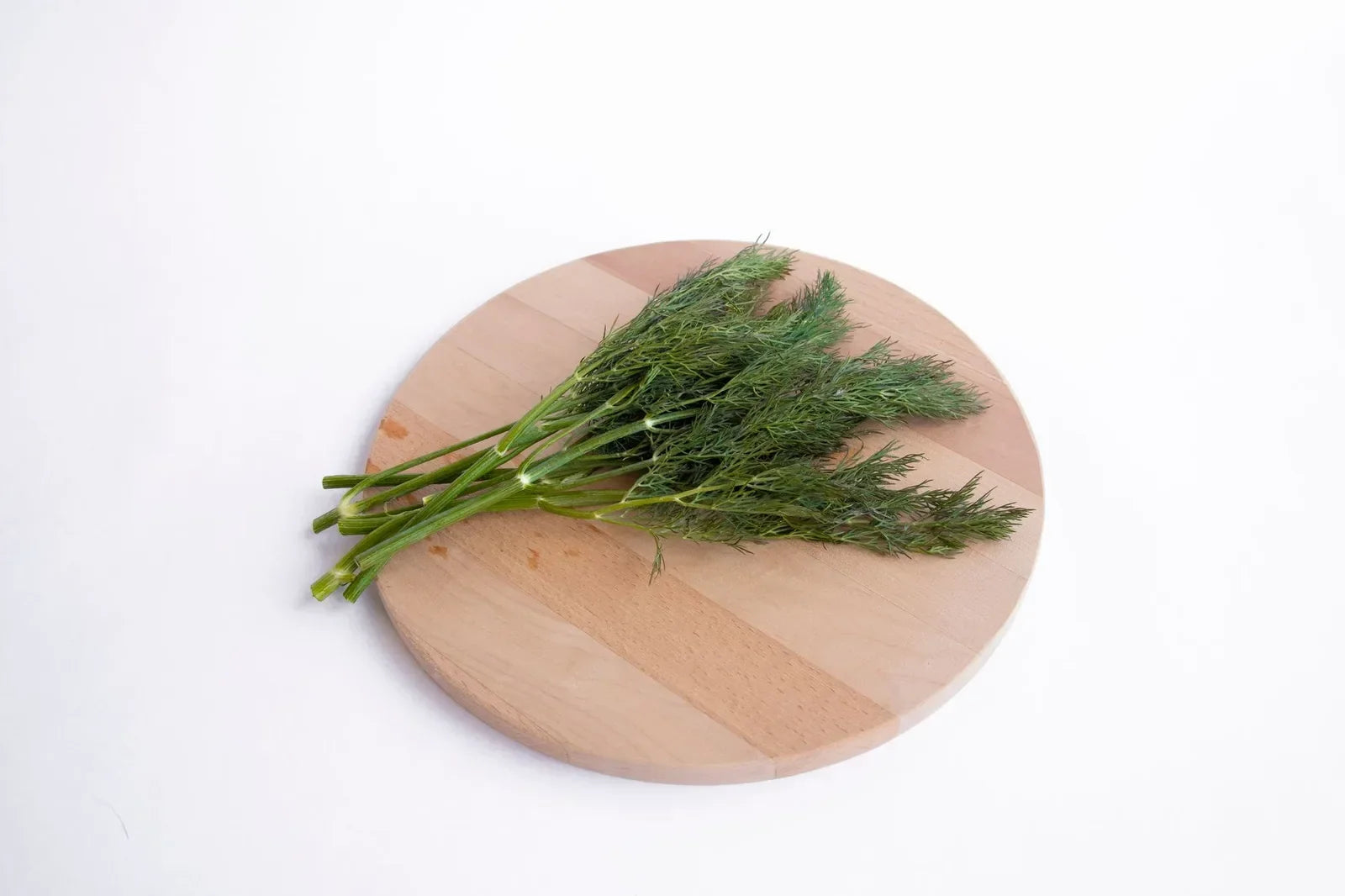
The simplest dill seed substitute is dill weed — the leafy herb of the same dill plant, so it is seed-free. Use a bit more, since the weed is milder and greener than the warm, faintly bitter seed. The conventional swaps (caraway, fennel, and celery seed) all cover dill's tangy side but are seed spices, so for a seed-free kitchen the dill plant's own leaf, or tarragon and fennel fronds, is the answer.
The simplest dill seed substitute is dill weed, the feathery leaf of the very same plant, and it has one advantage nothing else on the list can match: it is not a seed at all. Dill seed and dill weed grow together, so the weed carries a familiar version of the same flavor while sidestepping the seed entirely. If another seed is fine in your kitchen, caraway, fennel seed, or celery seed all cover dill's tangy side too. This seed-spice substitute guide frames the wider problem; this page settles dill.
The catch worth knowing first is that the seed and the weed are not identical. The weed is milder and greener, the seed warmer and more bitter, so the swap works best once you know which flavor the recipe was built around.

Dill Seed vs. Dill Weed
They come from one plant but do different jobs. Dill seed is the dried fruit of the dill plant, warm and faintly bitter with a caraway-like edge, and it shows up mostly in pickling, brines, and breads. Dill weed is the soft, fringy foliage, brighter and grassier, the dill you scatter over salmon or fold into a yogurt sauce.
Because they are not interchangeable spoon for spoon, check what your recipe wants. A pickling recipe calling for dill seed wants that warm, slightly bitter backbone; a salad calling for fresh dill wants the light, green lift of the weed. Naming the target flavor is half the substitution, and it is the step that saves you from a pickle that tastes like a salad, or the other way round. Once you know which dill the recipe means, the swap below is straightforward.

The Simplest Swap: Reach for Dill Weed
The best dill seed substitute is not another seed but dill weed, the leaf from the same plant. Since the weed is milder, use more of it, roughly a tablespoon of chopped fresh dill weed, or a teaspoon of dried, for a teaspoon of dill seed, and add it toward the end so its aroma stays bright.
It will taste fresher and less bitter than the seed, which is usually a fair trade, and in most dishes it reads as unmistakably dill. The one thing dill weed cannot copy is the whole seed's texture and its warm, slightly bitter depth, which matters most in long-simmered pickles; for everything else, the trade is barely noticeable. If a dish leans on that warmth, a pinch of ground ginger underneath the dill weed fills part of the gap without reaching for a seed. Fresh tarragon or fennel fronds can also stand in when no dill is on hand, both bringing a related grassy-anise note, and both are leaves rather than seeds.
The Conventional Seed Swaps
If seeds are not a concern in your kitchen, a few cover dill seed's tangy, faintly bitter side. Caraway is the closest, with a similar warm bitterness; use it at about half strength, since it is bolder and can take over if you are heavy-handed. Fennel seed brings a little sweetness alongside the tang, which suits breads more than brines, and celery seed matches the savory, pickle-friendly bite almost exactly, which is why picklers who are out of dill seed reach for it first.
The catch is that all three are seed spices, commonly avoided during AIP elimination right alongside dill seed. So treat this section as the conventional answer, not the compliant one. The celery seed substitute and mustard seed substitute guides run the same seed-free logic for dill's neighbors on the pickling shelf.

Swaps by Dish
Match the swap to the recipe:
- Pickling and brines — dill weed works, though you lose the whole-seed texture; use a generous handful of the fresh weed, or the flowering dill heads if you can find them, which carry more of the seed's character.
- Salads and dressings — fresh dill weed is the natural choice here anyway, so this is the easiest case of all; tarragon also fits a creamy dressing.
- Dill bread — chopped dill weed folded into a grain-free dough keeps the flavor; expect it softer than the seed, and lean a little heavier.
- Fish and yogurt sauces — dill weed, full stop, since these dishes usually want the fresh leaf rather than the seed to begin with, and a squeeze of lemon lifts it further.
None of these ask for another seed. They ask you to reach for the leaf of the same plant, or a related herb, instead. The AIP spice substitution chart keeps these swaps in one quick reference.

A Ready-Made Option
Chopping fresh dill every time works well when it is occasional. Once seed-spice-free cooking is just how a kitchen runs, a clear-label blend covers the everyday savory groundwork so a fresh herb becomes the one bright note you add by hand. A jar of everyday AIP spice blend is built nightshade-free and seed-spice-free from the start, so the background is handled. Homemade or jarred, replacing dill seed comes down to one easy move: skip the seed shelf entirely and reach for the leaf of the very same plant.