
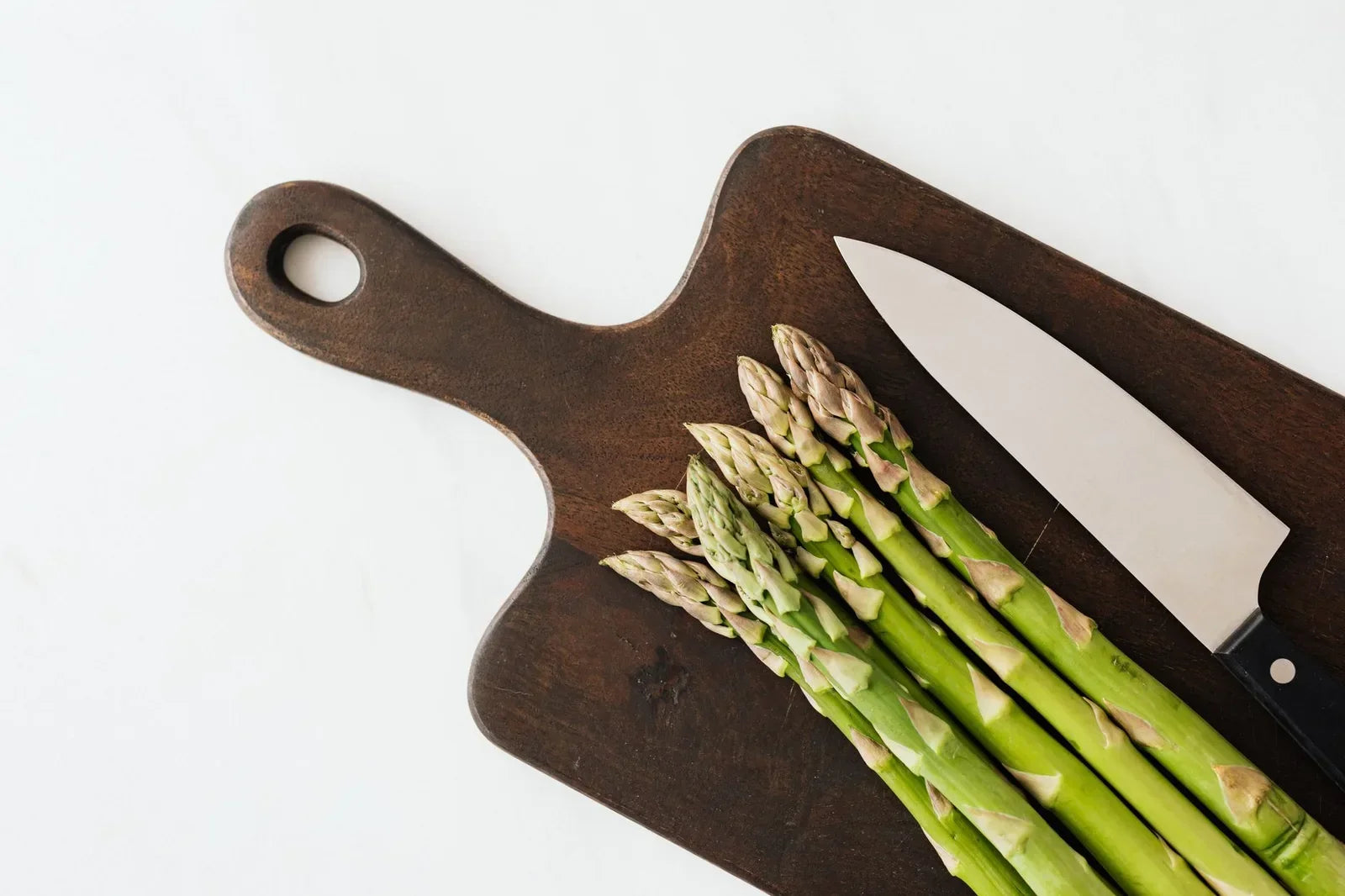

Celery Seed Substitute: AIP-Friendly Ways to Replace Its Savory Bite
Celery seed tastes like concentrated celery, so the simplest substitute is celery itself — fresh stalks, chopped leaves, or dried celery flakes. Lovage works as an herb stand-in. Skip the usual dill seed and fennel seed swaps if you avoid seed spices, since those are seeds too, and note that celery salt is just celery seed plus salt.
The most useful celery seed substitute is one most spice guides skip: celery itself. Celery seed tastes like a concentrated version of the stalk it comes from, so fresh celery, celery leaves, or dried celery flakes cover the same savory bite without reaching for another jar. This seed-spice substitute guide frames the wider seed-spice problem; this page settles celery seed specifically.
That matters because the usual swaps send you toward more seeds. Dill seed and fennel seed get recommended constantly, and both are seed spices themselves. If you cook around seeds, the answer is simpler than the spice rack makes it look: use the vegetable.

What Celery Seed Actually Tastes Like
Celery seed is small, dark, and stronger than it looks. Its flavor is savory, grassy, and slightly bitter — recognizably celery, just concentrated and a little sharper. A quarter teaspoon of the seed carries about as much celery character as a whole chopped stalk, which is why it shows up in coleslaw, potato salad, brines, and dry rubs where fresh celery would add too much water.
Knowing that flavor is pure celery is the whole trick. Once you see the seed as a shortcut to celery flavor rather than a spice in its own right, the substitute becomes obvious: go back to the celery. It also explains why celery seed is easy to overdo — a heavy hand turns a dish bitter fast, so whatever you swap in, start light and taste as you go. That restraint matters more here than with most spices, because the flavor is narrow and loud rather than broad and blendable.

The Simplest Swap: Use Celery Itself
For most dishes, replace celery seed with real celery and adjust for moisture. The rough ratios:
- Fresh celery stalk, finely minced — about 2 tablespoons per 1/2 teaspoon of celery seed. Best in slaws, salads, and stuffing where a little crunch is welcome.
- Celery leaves, chopped — about 1 tablespoon per 1/2 teaspoon. The leaves carry more of that concentrated top note than the stalk, so they punch above their size.
- Dried celery flakes — about 1 teaspoon per 1/2 teaspoon of seed. The closest one-for-one when you want celery flavor without adding water, which makes them ideal for rubs and brines.
Add fresh celery earlier so it softens into the dish, and dried flakes a little later so they rehydrate without going flat. Because celery is one of the recognized food allergens, it is worth a quick label read if you are cooking for someone else — the same clear-label habit the AIP spice substitution chart is built around.
Lovage and the Celery Salt Question
If you want an herb rather than the vegetable, lovage is the closest stand-in. It tastes like celery turned up a notch, so use it sparingly — a teaspoon of chopped lovage leaves covers about half a teaspoon of celery seed. It is harder to find fresh, but a pot on a windowsill goes a long way.
Celery salt comes up often, and it needs a caveat. Celery salt is celery seed ground with salt, so it delivers the flavor but also a real dose of sodium. It works in a pinch, but cut the recipe's added salt to compensate, and know that it is not a seed-free option, since the celery seed is still in there.
If You Also Avoid Seed Spices
Here is the honest part most substitution guides miss. The swaps they reach for first — dill seed and fennel seed — are themselves seed spices, commonly avoided during AIP elimination right alongside celery seed. Celery salt does not help either, because it is built on celery seed. So for a seed-spice-free or AIP kitchen, the seed-for-seed swaps are a dead end.
The good news is that the best swap was never a seed. Celery the vegetable is a stalk, not a seed spice, so fresh celery, celery leaves, and dried celery flakes all stay firmly on the plate. Lovage does too. The broader seed-spice-free cooking guide covers why the seeds come out during elimination and how to keep flavor anyway, and the coriander substitute guide runs the same logic for another seed most people assume they cannot replace.

Swaps by Dish
The right swap depends on what you are making:
- Coleslaw and potato salad — finely minced celery stalk plus a few chopped leaves. You keep the crunch and the fresh, savory lift the seed was there to provide.
- Brines and pickling liquid — dried celery flakes, since they add flavor without diluting the brine. Lovage works too if you have it.
- Dry rubs and spice blends — dried celery flakes, ground a little finer, so the texture matches the rest of the rub.
- Soups and stews — just add more of the celery already in the pot, or a handful of leaves near the end.
- Savory drinks and garnishes — a pinch of dried celery flakes on the rim, or a leafy stalk as the stirrer, carries the same signal.
None of these ask you to buy a new seed. They ask you to lean on celery in whatever form the dish can carry — which is why the swap holds up across such different recipes: you are not matching a spice, you are restoring the vegetable it stood in for.

A Ready-Made Savory Option
Chopping celery every time works well when it is occasional. Once seed-spice-free cooking is just how a kitchen runs, a clear-label blend saves the prep. A jar of everyday AIP spice blend is built savory and seed-spice-free from the start, so the background depth celery seed used to add is already there, and the broader AIP Flavor Trio collection covers more of the rack in one order. Homemade or jarred, the celery seed question comes down to one move: remember that it only ever tasted like celery, then reach for celery in the form your dish wants.