

Mustard Seed Substitute: How to Replace Sharpness Without Seed Spices
The quick mustard seed substitute is ground mustard, but that is still mustard seed. For a seed-free kitchen, reach for a root from mustard's own family: horseradish (or wasabi) carries the same sharp, pungent bite, with a little ginger for warmth. The one job a root cannot copy is the nutty texture of seeds popped in hot oil for Indian tempering, which is worth rebuilding separately.
The quickest mustard seed substitute is ground mustard, swapped at about a quarter teaspoon of powder for a teaspoon of whole seeds. But there is a catch most swap lists skip: ground mustard, mustard powder, and prepared mustard are all made from mustard seed, so they carry the flavor without solving the real problem for anyone avoiding seeds. The genuinely seed-free answer sits one aisle over, in the fresh root vegetables. This seed-spice substitute guide frames the wider problem; this page settles mustard.
Mustard seed does two different jobs, and knowing which one your recipe needs decides the swap. It brings a sharp, tangy heat, and, when the whole seeds are popped in hot oil, a nutty crackle of texture. The flavor is easy to rebuild from a root; the popped texture is the one job a substitute cannot fully copy, and it is worth being honest about that from the start.
What Mustard Seed Tastes Like
Mustard seed is sharp, tangy, and slow to bite. Unlike a fresh chile, its heat is not instant; it builds as the seed is crushed or chewed and its compounds meet moisture, which is why whole seeds taste mild until you bite one and ground mustard turns sharp only after it sits in liquid. Yellow seeds are the mildest, brown are hotter, and black are the most pungent and the ones Indian cooking leans on most, but all three share the same clean, sinus-tingling sharpness that defines the spice and separates it from ordinary chile heat.
That bite is the flavor you are trying to keep. It anchors a pickling brine, cuts through a rich dressing, and gives an Indian tempered dish its backbone. It also does quieter work in spice rubs and sausages, where it adds a tang that keeps fatty food from feeling heavy. Any substitute has to deliver that same forward sharpness, or the dish tastes softer and rounder than it should. The good news is that the sharpness is easier to source than it looks, once you stop searching the seed shelf and think about where else that clean heat comes from in the kitchen.
The Conventional Swaps, and Why Most Are Still Mustard
The standard swap lists all circle the same few options, and the top ones are mustard in disguise. Ground mustard, mustard powder, and dry mustard are simply the seed milled fine, so they replace the flavor one-for-a-fraction but keep everything a seed-avoiding cook is trying to leave out. Prepared mustard and Dijon are the same seed suspended in vinegar and liquid; a teaspoon of Dijon stands in for about a teaspoon of whole seeds in a dressing, but again, the seed is still the base.
Past the mustard-based options, the lists reach for other seeds: caraway for an earthy note, or cumin for warmth. Both are seed spices themselves, commonly avoided during AIP elimination right alongside mustard, and neither actually delivers mustard's signature sharpness, so they change the dish more than they save it. So for general cooking these swaps are fine, and the AIP spice substitution chart keeps the compliant options in one place. For a seed-free kitchen, though, this whole section is the conventional answer, not the one that works, which is exactly why it helps to think about the flavor itself rather than the shelf it usually comes from.

The Seed-Free Answer: Reach for the Root
Here is the swap the seed shelf hides: the seed-free way to replace mustard seed is not another spice at all, but a root from mustard's own family. Mustard, horseradish, and wasabi are all cruciferous plants that share the same pungent compounds, the ones responsible for that sharp, nose-clearing bite. Horseradish is a root and wasabi a rhizome, so neither is a seed, which makes them the natural stand-in for mustard's sharpness.
Freshly grated horseradish is the closest match. Start with about half a teaspoon in place of a teaspoon of mustard seed and build up, since it is potent and its heat fades as it cooks, so it is best added late. Prepared horseradish works too, though many jars include vinegar or additives, so read the label the way what spices are AIP compliant recommends. Wasabi, where you can find the real root rather than a tinted paste, does the same job with a greener edge, though it is stronger still, so use even less.
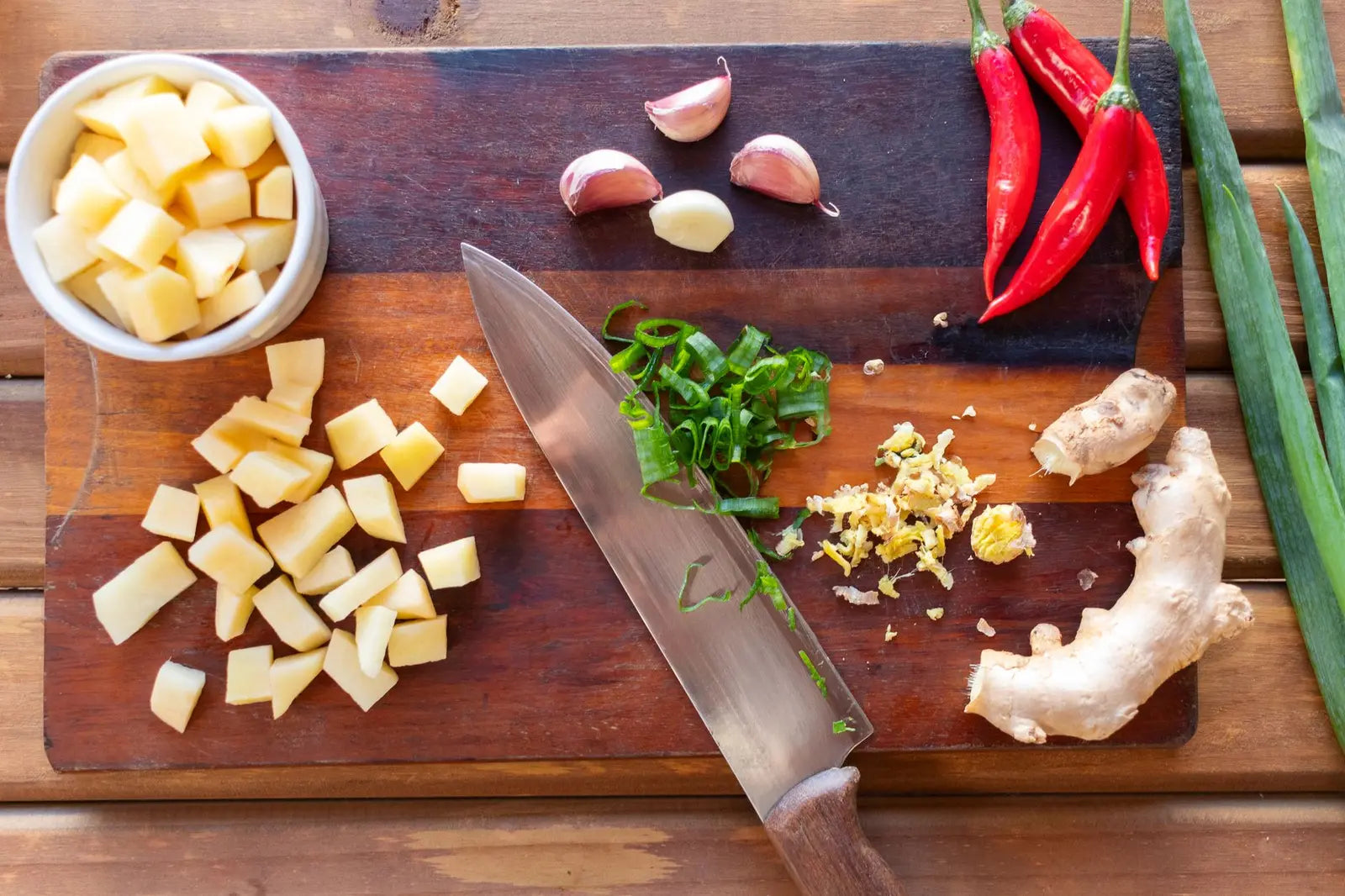
A small amount of ginger alongside adds a warm, rounding note that keeps the bite from feeling one-dimensional. Ginger is not pungent in the same nose-clearing way, but it fills in the warmth mustard carries underneath its sharpness, so the two together read as more complete than either alone. Together, a root for the sharpness and a little ginger for warmth cover mustard's flavor job without a seed in the dish, and they do it with ingredients many kitchens already keep close on hand.

Replacing the Pop, Not Just the Flavor
The one thing a root cannot copy is texture. In Indian tempering, or tadka, whole mustard seeds are dropped into hot oil until they pop and turn nutty, scattering little bursts of crunch and aroma through the finished dish. That popped-seed effect is a physical thing a grated root simply cannot reproduce.
The honest move is to separate the two jobs. For the flavor, use the horseradish-and-ginger approach above, stirred in near the end. For the textural interest that the popping provided, lean on something compliant that crisps in the pan, like thin slices of garlic or shallot toasted in the oil first, or a scatter of chopped fresh herbs at the finish. Curry leaves, if your protocol allows them, crackle in hot oil much the way the seeds do and bring their own aroma. None of these is an identical swap, and the seed-spice-free cooking guide goes deeper on rebuilding these missing textures, but they keep the dish lively rather than flat, which is the point of the tempering step in the first place.

Swaps by Dish
What to reach for depends on the recipe:
- Pickling and brines — grated horseradish plus a little ginger in the brine gives the sharp, tangy backbone mustard seed usually provides. Add a few thin garlic slices for bite if you miss the whole-seed texture.
- Indian tempering (tadka) — skip the pop and build flavor another way: bloom ginger and curry leaves in the oil, then finish with a small amount of horseradish stirred off the heat.
- Dressings and sauces — a little grated or prepared horseradish, with the label checked, delivers the sharp cut Dijon or mustard seed would, without the seed.
- Dry rubs — this is the hardest case, since horseradish is fresh; dried horseradish powder exists and works well ground into the rub, or lean on ginger and a pinch of warm spice for depth instead.
- Sausages and ground meats — a little grated horseradish worked into the mix, added just before cooking so its heat stays lively, keeps the tang mustard seed usually brings to fatty meat.
None of these ask for another seed. They ask you to source mustard's sharpness from a root and rebuild the texture separately, which is a small shift once you have done it a couple of times.

A Ready-Made Option
Grating horseradish every time works well when it is occasional. Once seed-spice-free cooking is just how a kitchen runs, a clear-label blend covers the everyday savory depth so you only reach for the fresh bite when a dish truly needs it. The AIP Flavor Trio collection is built nightshade-free and seed-spice-free from the start, so the background layers are handled and mustard's sharp accent becomes the one thing you add by hand. Homemade or jarred, replacing mustard seed comes down to one shift in thinking: stop looking on the seed shelf, and reach instead for the root down the aisle that shares mustard's family and its bite.