

Anise Seed Substitute: What to Use When You Need Sweet Aromatic Flavor
The quick anise seed substitute is fennel seed, one for one, but first know that anise seed, star anise, and anise extract are three different things. Every conventional swap (fennel seed, star anise, caraway) is a seed or seed-adjacent, so for a seed-free kitchen the licorice note comes from a herb instead: fresh tarragon, Thai basil, or fennel bulb and fronds.
The closest conventional anise seed substitute is fennel seed, swapped one for one, since the two share the same sweet licorice note. But there are two things worth settling before you reach for it: anise seed, star anise, and anise extract are not the same ingredient, and every usual swap is another seed. If you cook around seeds, the real answer is a herb, and this seed-spice substitute guide frames why.
Most anise confusion comes from treating three different things as one. Sort out which you actually need, and the substitute becomes clear. For a seed-free kitchen, the licorice flavor turns out to live in more than just seeds.
Anise Seed, Star Anise, and Anise Extract Are Not the Same
These three get swapped for each other constantly, and they should not be. Anise seed and star anise come from completely different plants that happen to share a licorice flavor. Anise seed is the small, sweet seed of the anise herb itself. Star anise is the dried star-shaped fruit of an unrelated evergreen tree, stronger and more medicinal. Anise extract is a concentrated liquid flavoring, usually made from anise or star anise oil.
They are not interchangeable spoon for spoon: star anise is far more potent, so a whole pod stands in for about a teaspoon of anise seed, and a few drops of extract replace a teaspoon of seed. Get the ratio wrong and a bake meant to whisper licorice ends up tasting like cough syrup. Knowing which one your recipe means is half the substitution, and it is the step most swap lists skip. Once you have named the right one, the replacement gets simpler, because you are matching a single clear flavor rather than guessing across three.
The Closest Conventional Swap
For anise seed, fennel seed is the best match, one for one, because it carries the same gentle licorice sweetness with a little more grassiness. Caraway can work when the dish leans savory, though it is earthier and pulls the flavor sideways. Star anise, ground fine and used sparingly, covers the flavor in a pinch, but its heavier, more medicinal edge means a little goes a long way.
The catch is that all of these are seeds or seed-adjacent. Fennel seed and caraway are seed spices commonly avoided during AIP elimination, and star anise, while technically a fruit, sits in the same cautious category for many cooks. So treat this section as the conventional answer, not the compliant one. The fennel seed substitute guide runs the same logic for anise's closest cousin, and the AIP spice substitution chart keeps the compliant options in one place.

The Seed-Free Answer: Reach for a Herb
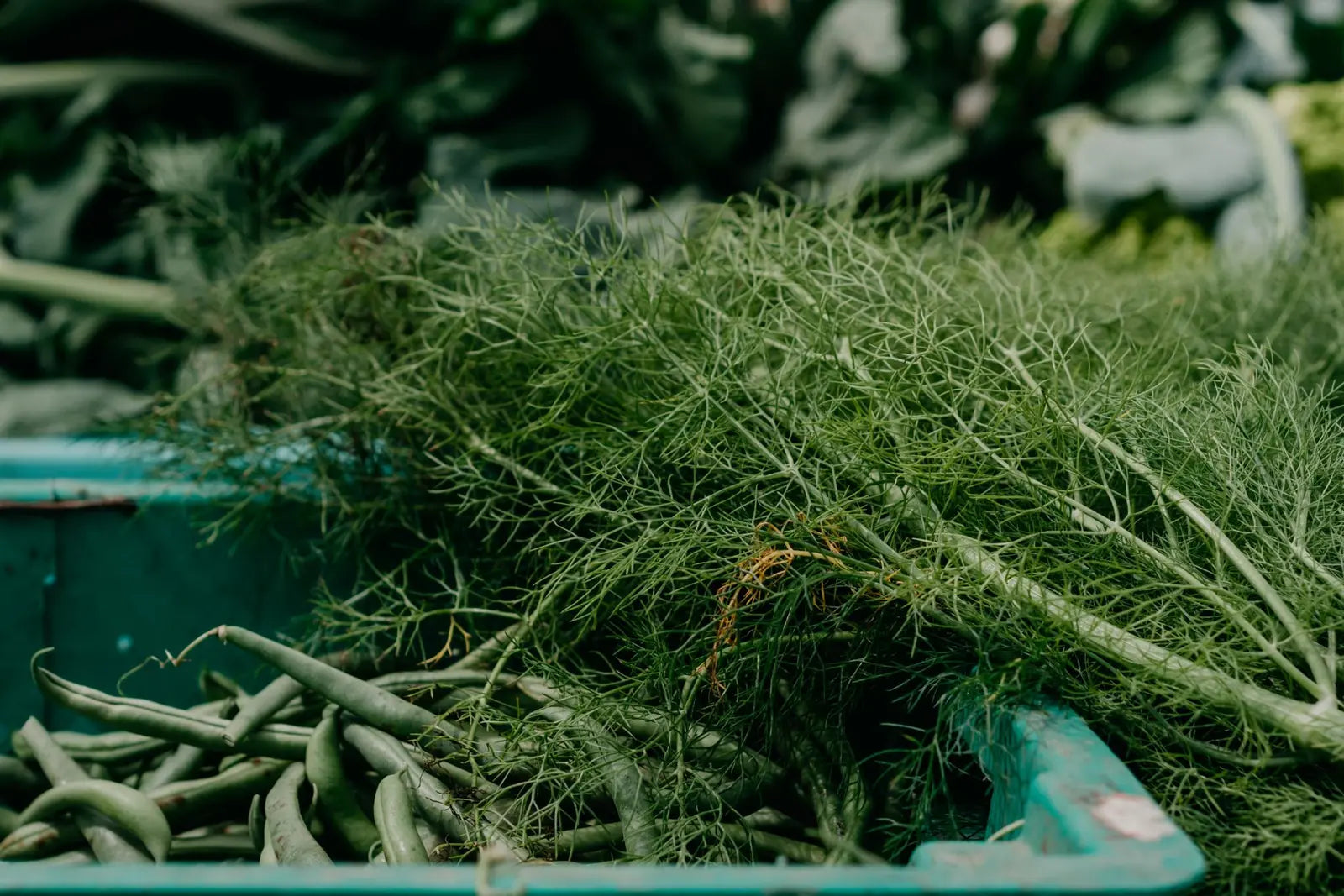
Here is the swap the seed shelf hides: the seed-free way to keep anise's licorice note is not another seed but a herb. Fresh tarragon is the closest, carrying a clean anise sweetness that works beautifully in dressings, sauces, and savory dishes. Thai basil brings a similar licorice edge with a peppery lift, and even regular basil leans that way. Fennel bulb and its feathery fronds deliver the flavor as a vegetable, milder and fresher than the seed.
Use them heavier than you would the concentrated seed, since fresh herbs are gentler, and add them late so the aroma stays bright. A teaspoon or two of chopped tarragon covers about a teaspoon of anise seed in a savory dish, and dried tarragon works when fresh is not on hand. The trick is to treat the herb as the real flavor source rather than a garnish, tasting as you go, since tarragon in particular can build quickly. Together, a herb for the licorice note keeps anise's character without a seed in the recipe.

The Baking Problem, Honestly
Anise seed's main home is baking, in cookies, biscotti, and sweet breads, and that is the honest hard case. Most conventional baking is not AIP to begin with, since it leans on grains, gluten, and sugar, so the substitution question often sits inside a recipe that already needs rethinking.
For grain-free bakes where you do want that licorice note, a small amount of finely chopped tarragon or a compliant anise-free extract can carry it, though the flavor lands softer than the seed. It is not a perfect match, and the seed-spice-free cooking guide goes deeper on rebuilding these baking flavors, but it keeps the spirit of the recipe intact.

Swaps by Use
Match the swap to the job:
- Baking and desserts — a little tarragon in grain-free doughs, or a compliant extract, for the sweet licorice note; expect a gentler result than whole seeds.
- Savory dishes — fresh tarragon or Thai basil, or fennel bulb cooked in, carry anise's flavor cleanly into sauces, dressings, and braises.
- Tea and infusions — steep fennel fronds or a few tarragon leaves for the same aromatic, licorice-sweet cup, no seed required.
None of these ask for another seed. They ask you to source anise's licorice note from a herb or the fennel plant instead.

A Ready-Made Option
Reaching for fresh herbs every time works well when it is occasional. Once seed-spice-free cooking is just how a kitchen runs, a clear-label blend covers the everyday savory groundwork so anise's sweet accent becomes the one thing you add by hand. A jar of everyday AIP spice blend is built nightshade-free and seed-spice-free from the start, so the background is handled. Homemade or jarred, replacing anise seed comes down to two simple moves: know which anise the recipe means, then reach for the herb that carries its licorice note without the seed.