

Fennel Seed Substitute: How to Replace Sweet Aromatic Flavor Without Seed Spices
The quickest fennel seed substitute is anise seed, one for one, but the cleanest is the rest of the fennel plant — the bulb and fronds carry the same sweet anise flavor without the seed. Every conventional swap (anise, caraway, dill, cumin) is a seed spice, so a seed-spice-free kitchen leans on fennel bulb and fronds, tarragon, or basil, plus a pinch of cinnamon for warmth.
The quickest fennel seed substitute is anise seed, swapped about one for one, since both carry the same sweet, licorice-like note. But fennel has a swap the other seed spices do not: the rest of its own plant. Fennel bulb and fronds taste like a milder version of the seed, which makes the fresh vegetable the cleanest stand-in of all. This seed-spice substitute guide frames the wider problem; this page settles fennel specifically.
That second answer matters because the usual swaps all point back to more seeds. Anise, caraway, and dill seed get named constantly, and every one is a seed spice. Fennel is unusual: you can skip the seed entirely and still reach for the same flavor, because it grows on a plant you can buy whole, bulb and fronds included.

What Fennel Seed Tastes Like
Fennel seed is sweet and warm, with a clear anise or licorice note that leans aromatic rather than sharp. It is the backbone of Italian sausage, and it shows up in roasts, seafood, spice blends, and some breads. A little goes a long way, so most recipes use it as a background accent, not a main event.
Knowing the flavor is sweet anise is what makes every swap below work. You are matching one clear note, not a complicated blend, which is why fennel is easier to replace than caraway or cumin. It also tells you how much room you have: because fennel seed is an accent, a swap that lands close on the anise note will carry the dish even if it is not a perfect match. The one place to be careful is a recipe where fennel is the headline flavor, like a fennel-forward sausage, where the fresh plant serves you far better than a rough substitute.
The Closest Conventional Swap
If another seed is fine in your kitchen, anise seed is the best match. It is a touch sweeter, so use slightly less and taste as you go. Caraway works when the dish leans savory, though it brings its own earthy edge, and dill seed can stand in for the herbal side. Cumin is the weakest choice here, since it covers warmth but misses the licorice note entirely.
All of these are seed spices, so treat this section as the conventional answer, not the AIP one. The substitute for caraway seeds guide runs the same anise-family logic for its closest cousin.

The Same Plant, Without the Seed
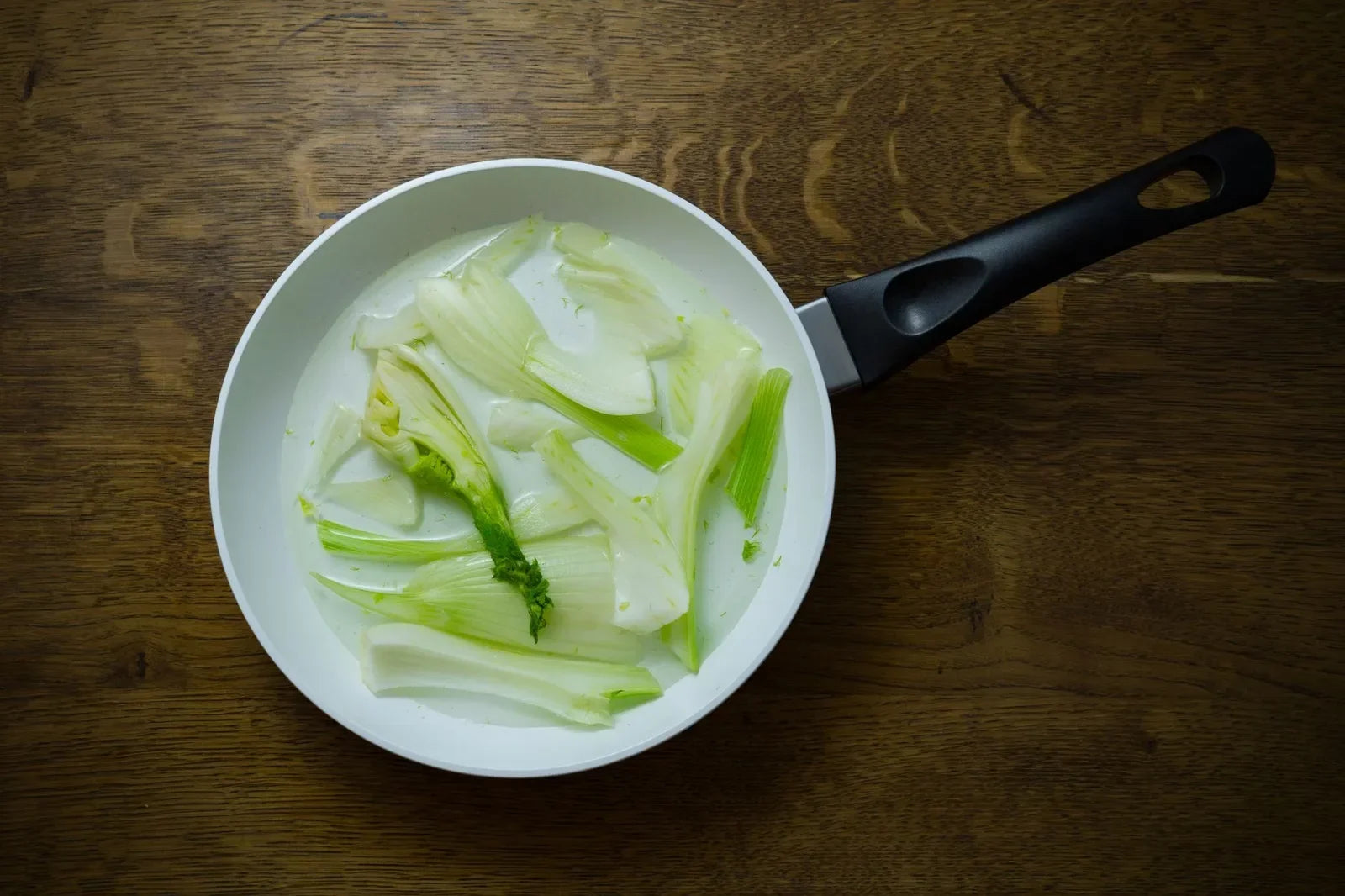
Here is the swap most guides bury: the best fennel seed substitute is the rest of the fennel plant. The bulb and the feathery fronds come from the same plant as the seed, so they carry the same sweet anise flavor in a gentler form.
Use a few tablespoons of finely chopped fennel bulb, cooked into the dish until it softens, or a handful of minced fronds stirred in near the end for a fresher, greener note. Because the fresh forms are milder than the concentrated seed, lean a little heavier than the seed amount and adjust to taste. It is the one substitution on this page that asks for no compromise on flavor at all.

If You Also Avoid Seed Spices
For a seed-free kitchen, the fennel plant is the whole answer. Anise, caraway, dill, and cumin are all seed spices, commonly avoided during AIP elimination right alongside fennel seed, so the seed-for-seed swaps do not help. Fennel bulb and fronds do, because they are a vegetable and an herb, not a seed.
When fresh fennel is not on hand, fresh tarragon covers the anise note as a herb, and a leaf or two of basil adds a softer aromatic sweetness. A small pinch of cinnamon underneath fills in the warmth. The seed-spice-free cooking guide explains why the seeds come out during elimination, and the AIP spice substitution chart keeps these swaps in one quick reference.
Swaps by Dish
What to reach for depends on the recipe:
- Sausage and ground meats — minced fennel fronds plus a little tarragon, worked into the meat, carry the flavor fennel seed usually provides.
- Roasts and seafood — chopped fennel bulb roasted alongside, or fronds scattered over at the end, keep the sweet aromatic lift.
- Italian-style dishes — fennel bulb works, though many of these lean on tomato, a nightshade, so build the rest of the dish to your own protocol.
- Bread — fronds or a pinch of tarragon in grain-free loaves; traditional fennel bread usually has gluten and is not AIP.
- Soups and braises — a chopped fennel bulb simmered in early melts into the broth and gives the same sweet backbone fennel seed would.
None of these need another seed. They need fennel in its fresh form, or an anise-leaning herb standing in for it.

A Ready-Made Savory Option
Chopping fresh fennel every time works well when it is occasional. Once seed-spice-free cooking is just how a kitchen runs, a clear-label blend saves the prep. A jar of everyday AIP spice blend is built savory and seed-spice-free from the start, so the warm aromatic depth fennel seed used to add is already there, and the broader AIP Flavor Trio collection covers more of the rack in one order. Homemade or jarred, replacing fennel seed comes down to one easy move: the flavor lives in the whole plant, so reach for the bulb, the fronds, or an anise-leaning herb, and leave the seed behind.