
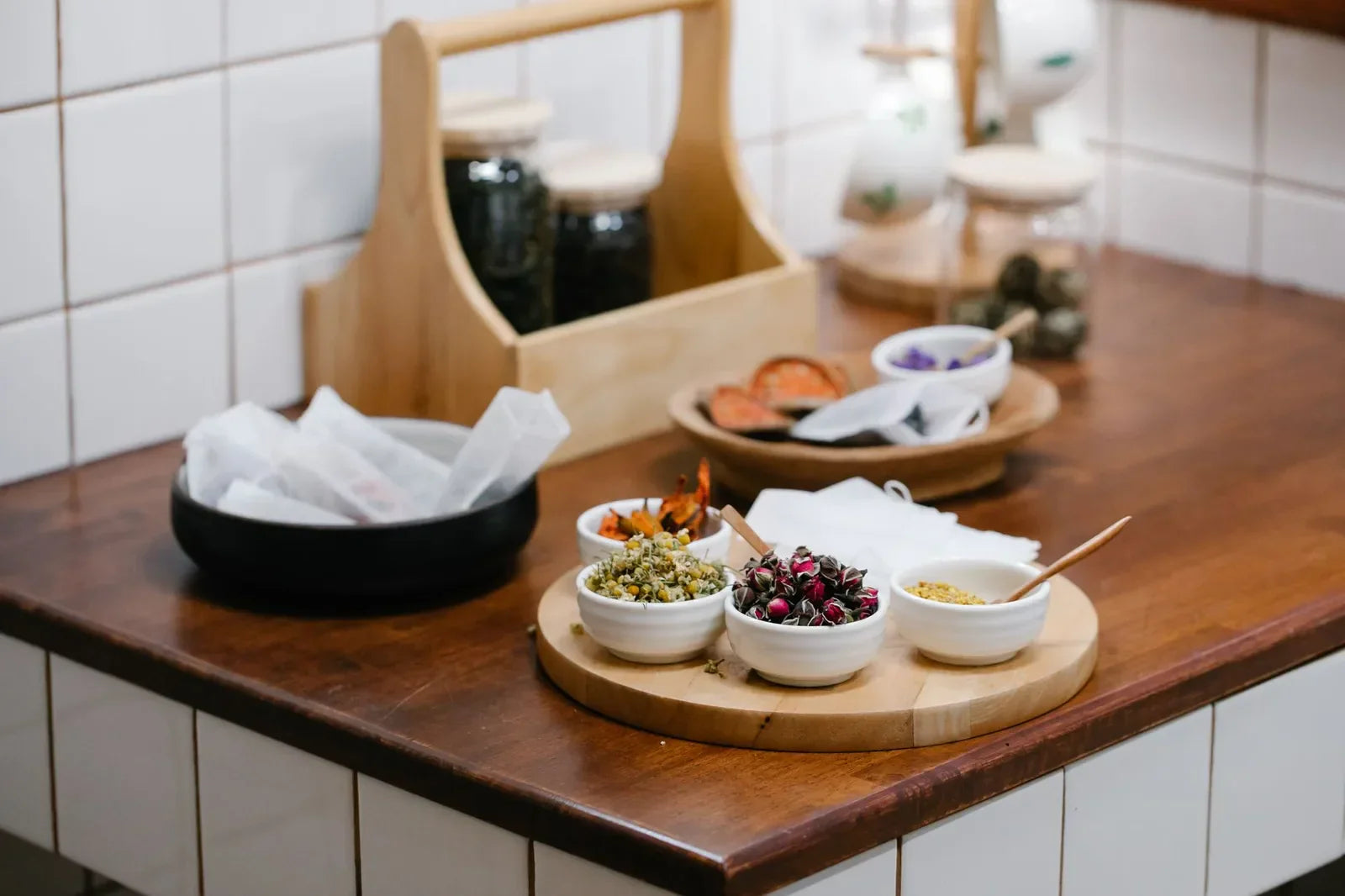

AIP Spice Blends vs Homemade Seasoning: Which to Buy
AIP spice blends and homemade seasoning both work; they just fit different weeks. Homemade wins on control and cost over time, and it is the right call for restrictive protocols. Ready-made blends win on convenience, consistency, and a clear label you do not have to vet every time. Here is how to decide.
The honest answer to AIP spice blends vs homemade seasoning is that both work, and the better choice depends on what you value this week. Homemade gives you control over every ingredient. A ready-made blend gives you convenience and a label you do not have to re-check each time.
Neither is the "right" answer for everyone. Below is a fair look at control, cost, and convenience, how to vet a store blend, and a simple way to decide. For the foundations behind both, the AIP seasoning guide is the starting point.
Homemade vs ready-made: the short answer
If you like cooking, have the pantry space, and want total control, homemade is hard to beat. If your bottleneck is time and decision fatigue, a clear-label blend earns its place.
Most AIP kitchens end up using both: a couple of homemade mixes for the dishes you make constantly, and a jar or two of a ready-made blend for the nights you do not want to think. This is not a contest with one winner. Both routes keep you inside the autoimmune protocol elimination phase; the only real difference is how much of the work you want to do yourself.

The case for homemade AIP seasoning
Making your own has real advantages, and for some cooks they are decisive.
- Total control. You decide exactly what goes in, which matters if your protocol skips salt, garlic, onion, or anything else. Nothing hides in the jar.
- Cost over time. The upfront cost of stocking garlic powder, onion powder, herbs, and turmeric is real, but once they are in the pantry, each batch costs very little.
- Customization. You can steer a blend warmer, brighter, or milder, and adjust it as you reintroduce ingredients.
The catch is effort and consistency: you have to keep the single spices stocked and mix as you go, and batches vary a little. The AIP spice substitution chart and the seed-spice-free cooking guide make the mixing part faster.

The case for ready-made AIP blends
A clear-label blend solves the two things homemade cannot: time and certainty.
- Convenience. One jar, one scoop, dinner. No measuring six spices on a weeknight.
- Consistency. A good blend tastes the same every time, which matters when you are cooking tired.
- Label you can trust once. You vet the ingredient list once, then stop re-reading it. For a cautious cook, that is real relief.
The trade-off is control: you take the blend as formulated, so it is the wrong tool if you need a single ingredient left out. For a cook managing a dozen other decisions before dinner, handing this one to a trusted jar is a fair trade.

Cost: what each actually runs
Homemade looks cheaper per batch, and over a year it usually is, once your pantry is stocked. The honest cost of homemade is the upfront spend on a shelf of single spices plus your time.
Ready-made costs more per jar but nothing in setup or effort. At SoCal Spice, a single jar is $12.99 and the AIP Flavor Trio is $38.97. A jar also lasts: most blends hold their punch for three to four months stored away from heat, so one purchase covers many dinners. A $12.99 jar is not expensive if it rescues multiple safe dinners from the trash-can-in-your-mind category, where food gets cooked and then not eaten because it tasted like a compliance worksheet. The real comparison is not jar versus jar; it is a calm dinner versus another night of food you do not want.

How to vet a store-bought AIP blend
If you go the ready-made route, the label is the whole decision. Scan for the usual culprits before you buy.
- Nightshades: chili powder, paprika, and cayenne hide in "all-purpose," "taco," and "BBQ" blends.
- Seed spices: cumin, coriander, fennel, and mustard are common in savory mixes.
- Vague terms: "spices" and "natural flavors" are allowed on labels under FDA labeling rules without naming what is inside.
- Carriers: some blends use anti-caking agents or seed oils that many AIP cooks avoid.
A blend that names every ingredient passes; one that hides behind "spices" does not. For the full picture of what belongs in the jar, see which AIP-compliant spices make the cut.
When to choose which
Here is the short decision guide. Most people land somewhere in the middle, so treat this as which way to lean rather than a rule.
- Make your own if you need a salt-free, garlic-free, or onion-free blend, you are mid-reintroduction testing single ingredients, or you simply enjoy mixing.
- Buy a blend if you are short on time, tired of decoding packets, or want a consistent result without keeping ten single spices stocked.
If a clear-label blend fits, the AIP Flavor Trio collection is built nightshade-free and seed-spice-free, with the ingredients named in full. The everyday AIP spice blend covers most cooking, the AIP taco seasoning blend handles taco night, and the soy-free seasoning covers stir-fry-style dishes. They are optional helpers, not requirements, and if your protocol rules out an ingredient any of them contains, the homemade route keeps every choice in your hands.
Frequently asked questions
What is the difference between a seasoning and a spice blend?
The terms overlap. A spice blend is a mix of ground spices and herbs; a seasoning often means the same thing, though it sometimes implies salt is included. On AIP, what matters is not the label but whether every ingredient is compliant.
Is it cheaper to make your own AIP seasoning?
Per batch, usually yes, once your pantry is stocked with the single spices. The honest cost of homemade is the upfront spend on a shelf of spices plus your time. A ready-made jar costs more per unit but nothing in setup or effort.
Can you have seasoning on AIP?
Yes, as long as the seasoning is nightshade-free and seed-spice-free during elimination. Most leafy herbs, garlic, onion, turmeric, and ginger are fine; chili powder, paprika, and cumin are not. Read the label or make your own.
How do I know if a store-bought blend is AIP-compliant?
Read the full ingredient list and scan for nightshades (chili powder, paprika, cayenne), seed spices (cumin, coriander, fennel, mustard), and vague terms like "spices" or "natural flavors." A blend that names every ingredient is the safer bet, and you should still check it against your own protocol.
How much seasoning do you use per pound of meat?
About one tablespoon of a blend per pound is a good starting point, plus salt to taste. Adjust from there; it is easier to add more at the end than to pull it back.