
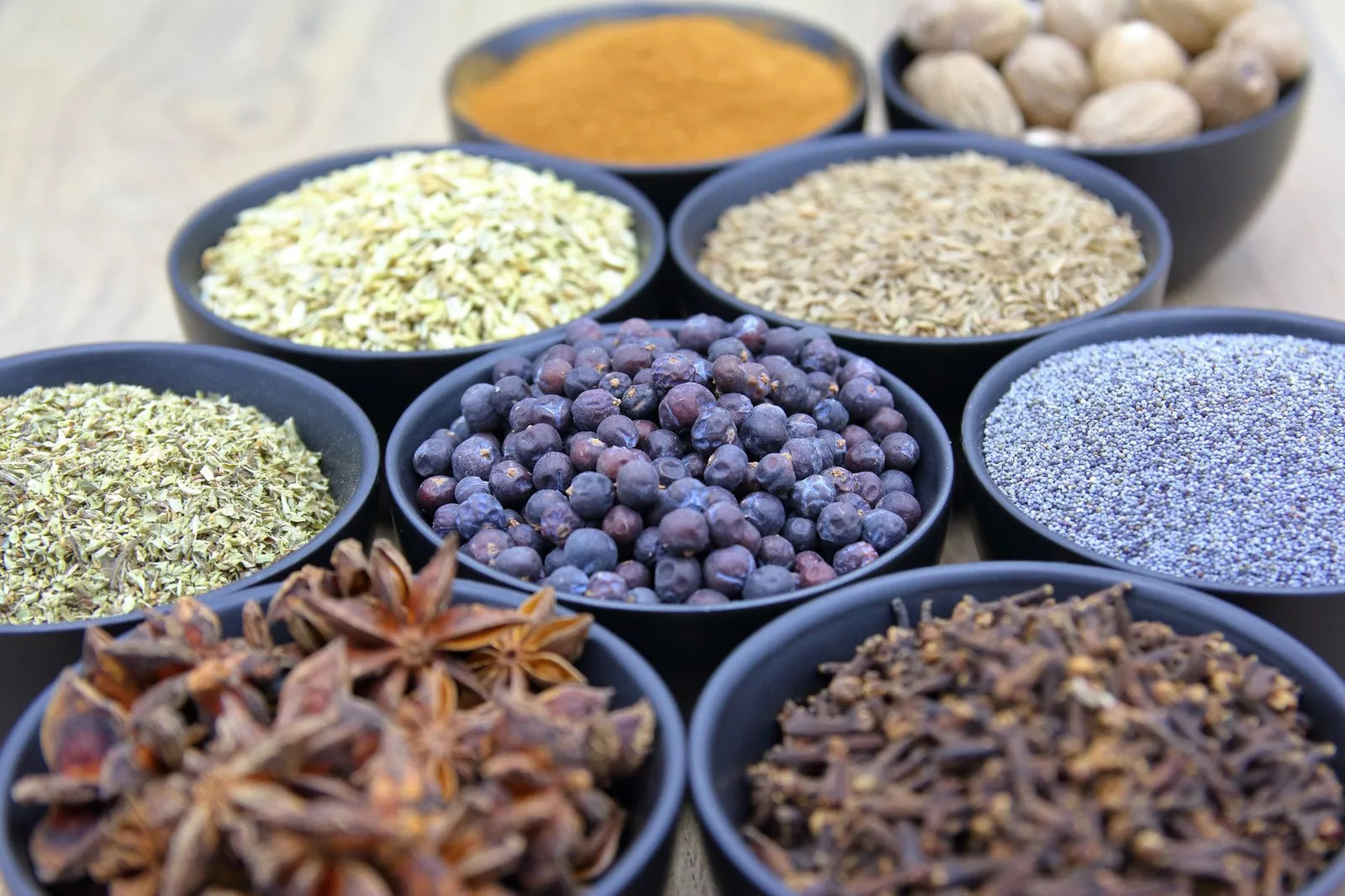

Seed-Spice-Free Cooking: What It Is and What to Use
Seed-spice-free cooking leaves out spices that are the seed of a plant: cumin, coriander, fennel, mustard, caraway, fenugreek, cardamom, and nutmeg. On the AIP elimination phase they come out alongside nightshades. You rebuild their warmth and earthiness from non-seed sources like cinnamon, ginger, turmeric, garlic, and herbs. This is a dietary choice, not a treatment, so follow your own protocol.
Seed-spice-free cooking means leaving out the spices that are the seed of a plant: cumin, coriander, fennel, mustard, and a handful of others. On the autoimmune protocol elimination phase, those come out alongside the nightshade peppers, which is why a lot of seasoning advice suddenly stops working.
The good news is that seed spices were doing a job you can fill other ways. Below is what counts as a seed spice, why the protocol skips them, and what to reach for instead. One note first: this is a dietary choice within the protocol, not a treatment, so treat the lists as a starting point and follow your own plan. For the wider picture, the AIP seasoning guide covers building flavor once you know what is in.

What seed spices are
A seed spice is exactly what it sounds like: a spice made from the seed of a plant, rather than from its leaf, root, bark, or berry.
That plant-part distinction is the whole idea. Basil and oregano are leaves. Cinnamon is bark. Ginger and turmeric are roots. Cumin and coriander are seeds, and that is the line the protocol draws.
It catches people off guard because some plants give us both. Cilantro, the leaf, is fine; coriander seed, from the same plant, is not. The fronds and bulb of fennel are vegetables; fennel seed is a seed spice.

Why AIP elimination skips seed spices
The autoimmune protocol is a structured elimination diet. During the elimination phase, it sets aside several food groups that are common triggers so you can add them back one at a time later and judge each on its own.
Seeds are one of those groups, which is why seed spices come out. That is a decision about how the diet is run, not a claim that cumin is harmful for everyone. Nightshades are the other big seasoning group to remove, and seed spices sit right next to them on most AIP lists. For the full picture of what spices are AIP compliant, the compliance guide covers both groups together.

Seed spices to leave out
These are the spices that come out during a strict elimination phase, because each one is a seed.
- Cumin and coriander seed
- Fennel seed, anise, and caraway
- Mustard seed (and prepared mustard)
- Fenugreek, cardamom, and nutmeg
- Celery seed, dill seed, and poppy seed
A couple of clarifications help here. Sesame is an edible seed and one of the major food allergens, so it is out too, and worth scanning labels for. Black pepper is a common source of confusion: it is not a seed spice in this sense and not a nightshade, but many protocols still hold it during strict elimination, so treat it as optional and protocol-dependent rather than a given.

What to use instead of seed spices
Seed spices mostly brought warmth and earthy depth. Replace that role with non-seed spices and you keep the character of the dish.
Warmth and earthiness
Cinnamon (bark), ginger and turmeric (roots), and a small amount of ground clove (a flower bud) cover most of what cumin and coriander gave. Turmeric also adds the earthy color.
Brightness
A squeeze of lemon or lime, grated citrus zest, and fresh leafy herbs lift a dish the way toasted seeds used to. Cilantro, parsley, and dill weed are all compliant.
Savory depth
Garlic and onion are the backbone. Roasting or browning your protein and vegetables harder also builds depth without any seeds at all. A splash of coconut aminos adds a salty, savory note where soy sauce or a seedy condiment used to go. For swaps beyond seed spices, the AIP spice substitution chart covers the whole rack.
Cooking seed-spice-free day to day
In practice, seed-spice-free cooking is less about any single dish and more about a stocked rack you trust. Lead with garlic, onion, and salt, layer in leafy herbs, and keep cinnamon, ginger, and turmeric for warmth.
A weeknight example: rub chicken thighs with garlic, onion, salt, and a pinch of cinnamon, roast them hard for color, then finish with lemon and chopped parsley. No seeds, no nightshades, and the plate still tastes layered. The same pattern carries ground meat and roasted vegetables. For a full blend and method, see how to season AIP chicken, and for the produce side, how to make AIP vegetables taste better.
Most store blends are where seeds sneak back in. Curry powder is built on cumin, coriander, and fenugreek; many "all-purpose" and taco blends hide cumin under a generic "spices" line, which the FDA labeling rules allow. Read the full ingredient list, and when you would rather not vet each jar, the seed-spice-free AIP blends collection names every ingredient. It is optional, and you should still check the label against your own protocol.
When seeds come back: reintroduction
Seed-spice-free is usually a phase, not a forever rule. Reintroduction is where many people add seed spices back, often before nightshades, but the order is individual and not a rule.
The method is the same either way: add one spice back at a time, give it a few days, and keep notes, so a reaction points to a clear cause instead of a guess. Compliance is the floor, not the finish line, and the goal is food you can trust and still want to eat. Decisions about reintroducing seed spices are personal, ideally made with whoever guides your protocol.
Frequently asked questions
What are seed spices?
Seed spices are spices made from the seed of a plant, rather than its leaf, root, bark, or berry. Cumin, coriander seed, fennel seed, mustard seed, caraway, fenugreek, cardamom, and nutmeg are the common ones.
Why does AIP avoid seed spices?
The autoimmune protocol elimination phase sets aside seeds as one of several food groups, so seed spices come out alongside nightshades. It is a structured dietary choice for the elimination phase, not a claim that the spices are harmful for everyone, and many are reintroduced later.
What can I use instead of cumin and coriander?
Rebuild their warmth and earthiness with cinnamon, ginger, turmeric, and a little ground clove, then add brightness with citrus and fresh herbs. Garlic and onion carry the savory base. It is a different flavor than cumin, but a complete one.
Are all seeds off-limits on AIP?
During strict elimination, seed spices and edible seeds like sesame are held, which is separate from seed oils (another common avoidance). This is about the elimination phase, and tolerances vary, so check your own protocol rather than treating it as a permanent or universal rule.
Is black pepper a seed spice?
Not in the AIP sense, and it is not a nightshade either, since peppercorns come from an unrelated plant. Many protocols still hold black pepper during strict elimination, so treat it as optional and protocol-dependent.