
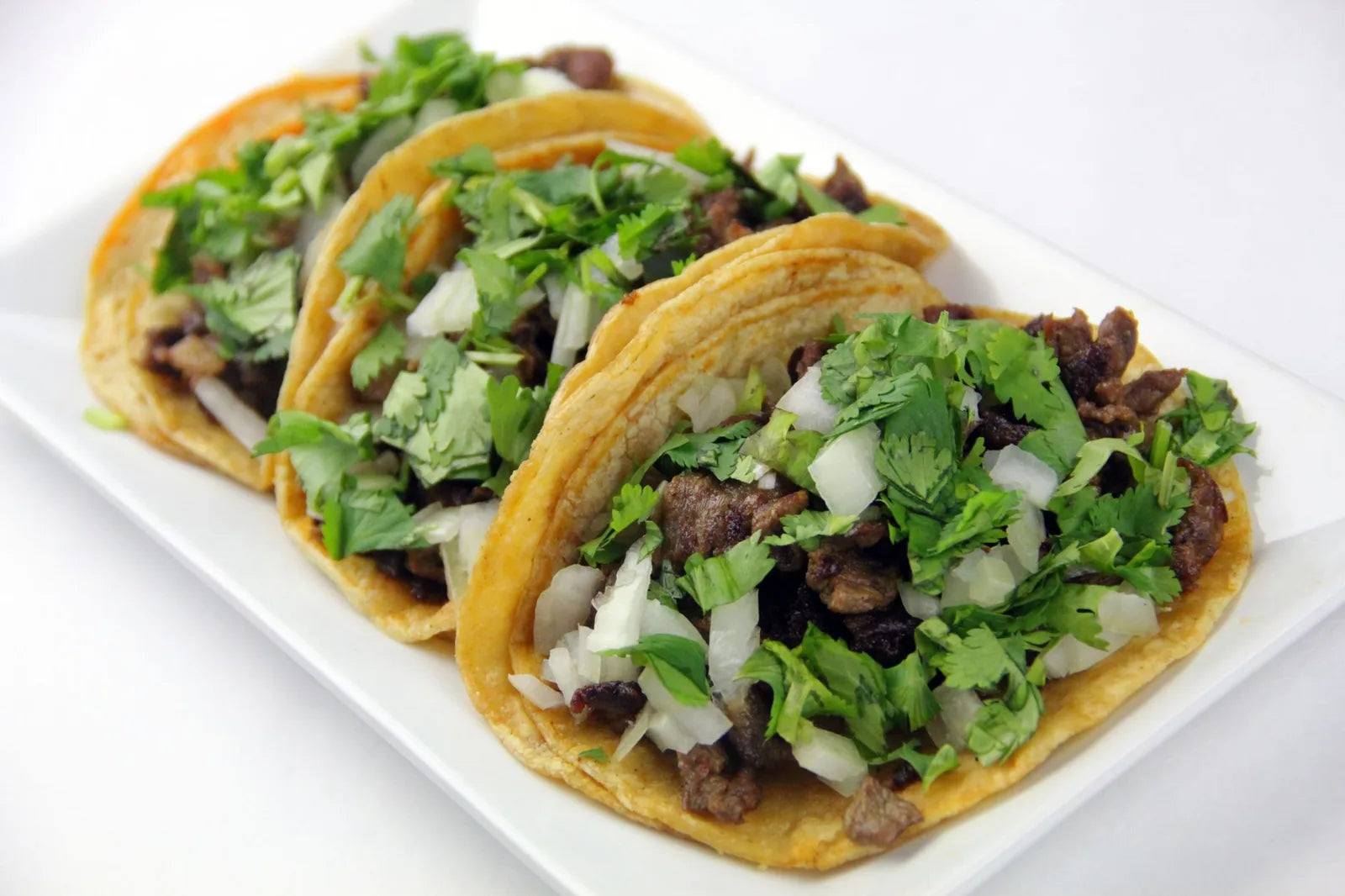

AIP Taco Seasoning: Nightshade-Free Taco Flavor Mix
AIP taco seasoning is a taco blend built without nightshades or seed spices, so it skips chili powder, paprika, and cumin and rebuilds the warmth from other spices. Mix a small batch in about five minutes, use roughly one tablespoon per pound of meat, and store it like any other dried blend.
The short answer: AIP taco seasoning is a taco blend built without nightshades or seed spices, so it skips chili powder, paprika, and cumin and rebuilds the warmth from other spices. You can mix a small batch in about five minutes, use roughly one tablespoon per pound of meat, and store it like any other dried blend.
Below is the recipe, how to use it, what to swap for the missing spices, and where a ready-made jar fits. For the bigger picture beyond tacos, start with the AIP seasoning guide.

What changes about taco seasoning on AIP
Most taco seasoning is built on two ingredient groups the autoimmune protocol sets aside during elimination.
The first is nightshades. Chili powder, paprika, cayenne, and red pepper flakes are all made from peppers, and peppers are nightshades, so they come out. The second is seed spices. Cumin and coriander seed are the usual taco-blend seeds, and seed spices are typically held during elimination too. For the full list of nightshade spices and non-pepper swaps, see the nightshade-free seasoning guide.
Black pepper sits in a gray area. It is not a nightshade, but tolerance varies, so treat it as optional and check it against your own protocol before adding it.
Losing those spices is where most people brace for disappointment. It helps to name the real rule here: nightshade-free should not mean warmth-free. Warmth is bigger than peppers. Chili powder and paprika were doing a job, mostly warmth, depth, and a little color, and you can fill that job with other spices instead of leaving it empty. The protocol is a structured elimination people use while managing autoimmune conditions, not a permanent ban on flavor.

The AIP taco seasoning recipe
Here is the mix. It makes about 6 tablespoons, enough for five to six pounds of meat, and it takes about five minutes.
Ingredients
- 2 tablespoons garlic powder
- 2 tablespoons onion powder
- 1 tablespoon dried oregano
- 1 tablespoon fine sea salt
- 1 1/2 teaspoons ground ginger
- 1 teaspoon ground turmeric
- 1 teaspoon ground cinnamon
- 1/2 teaspoon ground cloves
- 1/2 teaspoon ground bay leaf (optional)
- 1/4 teaspoon black pepper (optional, and only if your protocol allows it)
How to mix it
- Measure every ingredient into a small bowl.
- Whisk for about 30 seconds, until the color is even and there are no streaks of turmeric or cinnamon.
- Transfer to a small airtight jar and label it with the date.
The structure here is foundation, lift, and finish. Garlic and onion ground the blend, oregano lifts it, and ginger, cinnamon, and clove carry the warm finish that the peppers used to provide. That order is what keeps a nightshade-free blend from tasting flat.

How to use AIP taco seasoning
One tablespoon per pound of meat. That is the whole ratio; the rest is heat and time.
Brown one pound of ground beef or ground chicken in a skillet, then drain most of the fat. Add one tablespoon of the blend and about a quarter cup of water or broth. Simmer for three to four minutes, until the liquid mostly cooks off and the meat looks glazed rather than wet. Taste and adjust the salt at the end.
Other proteins
Shredded chicken thighs, ground turkey, and roasted cauliflower or mushrooms all take the same tablespoon-per-pound ratio. For a filling that sits in more liquid, like a braise, start with the same amount and adjust right before serving.

AIP-friendly substitutions
If you are adapting a conventional recipe, here is what stands in for the spices you are leaving out.
- Instead of chili powder or paprika: ground ginger with a small pinch of cinnamon for warmth, plus extra garlic for depth. For a milder, pepper-light option, see taco seasoning without chili powder.
- Instead of cumin: dried oregano with a little ground turmeric carries the earthy note. Cumin is a seed spice, so it is usually held during elimination. If cumin is the only thing you are skipping, see taco seasoning without cumin.
- Instead of cayenne or red pepper flakes: warmth without heat from ginger. If you want a little bite, a small amount of black pepper, checked against your protocol.
- Instead of a packet labeled "spices" or "natural flavors": this homemade mix or a clear-label blend, so you know every ingredient.
The pepper-based spices and the seed spices are common in traditional taco mixes, and on AIP elimination they are usually left out. That is why the swaps lean on aromatics rather than heat.
Storage and scaling
Stored in an airtight jar away from heat and light, the blend keeps its punch for about three to four months, the same as any ground spice mix. After that it is still fine to use, just quieter, so refresh it when the aroma fades.
To scale, keep the ratios and multiply. A double batch fills a standard half-cup jar and covers ten to twelve pounds of meat, which is most of a month of taco nights for a busy kitchen. Whisk the jar again before each use, since the heavier salt and turmeric settle toward the bottom.
Where a ready-made blend helps
A jar is never required to do AIP correctly. The homemade mix above works on its own, and making it yourself means you control every gram, which matters if your protocol skips salt, garlic, or onion.
When mixing from scratch every week wears thin, a clear-label blend saves the step. Fiesta Fusion AIP taco seasoning is built for this, with the foundation, lift, and finish already balanced inside, for the person who thought taco night left when nightshades did. If you want more than taco flavor, the AIP Flavor Trio covers everyday cooking too. A single jar is $12.99 and the trio is $38.97.
The reason a clear label matters here is simple. Umbrella terms like "spices" and "natural flavors" are allowed on ingredient lists under FDA labeling rules without naming what is inside, and that ambiguity is the real problem for a cautious cook.
One caveat: if you need a fully salt-free, garlic-free, or onion-free taco seasoning, stay with the homemade version so you can leave those out, and check any new blend against your own protocol before using it.
Frequently asked questions
What can I use as an alternative for taco seasoning?
The homemade AIP blend above is the direct alternative: garlic, onion, oregano, ginger, turmeric, cinnamon, and a little clove, all without chili powder, paprika, or cumin. If you would rather not mix it yourself, a clear-label nightshade-free blend works the same way.
How do you make taco seasoning without nightshade?
Leave out every pepper-based spice (chili powder, paprika, cayenne, red pepper flakes) and rebuild the warmth with ginger, cinnamon, and a little clove over a base of garlic, onion, and oregano. The recipe above is one tested ratio you can scale.
Is taco seasoning AIP-friendly?
Most store-bought taco seasoning is not, because it is built on chili powder and paprika (nightshades) and often cumin (a seed spice). It can be AIP-friendly when it leaves those out and names every ingredient on the label, so always read the full list.
How much of this seasoning mix do you use for a pound of meat?
About one tablespoon per pound, plus a quarter cup of water or broth, simmered for three to four minutes until the liquid mostly cooks off. Adjust the salt at the end to taste.